Start with the timing
The GRID concept divides a campus day into morning preparation, daytime activity, evening transition and overnight operation. Each period presents a different use setting. Images establish the space, while a native web timeline explains the sequence.
It is not live telemetry and does not assume that a facility has achieved a particular operating result. It is a way to help a team discuss demand.
Keep three roles distinct
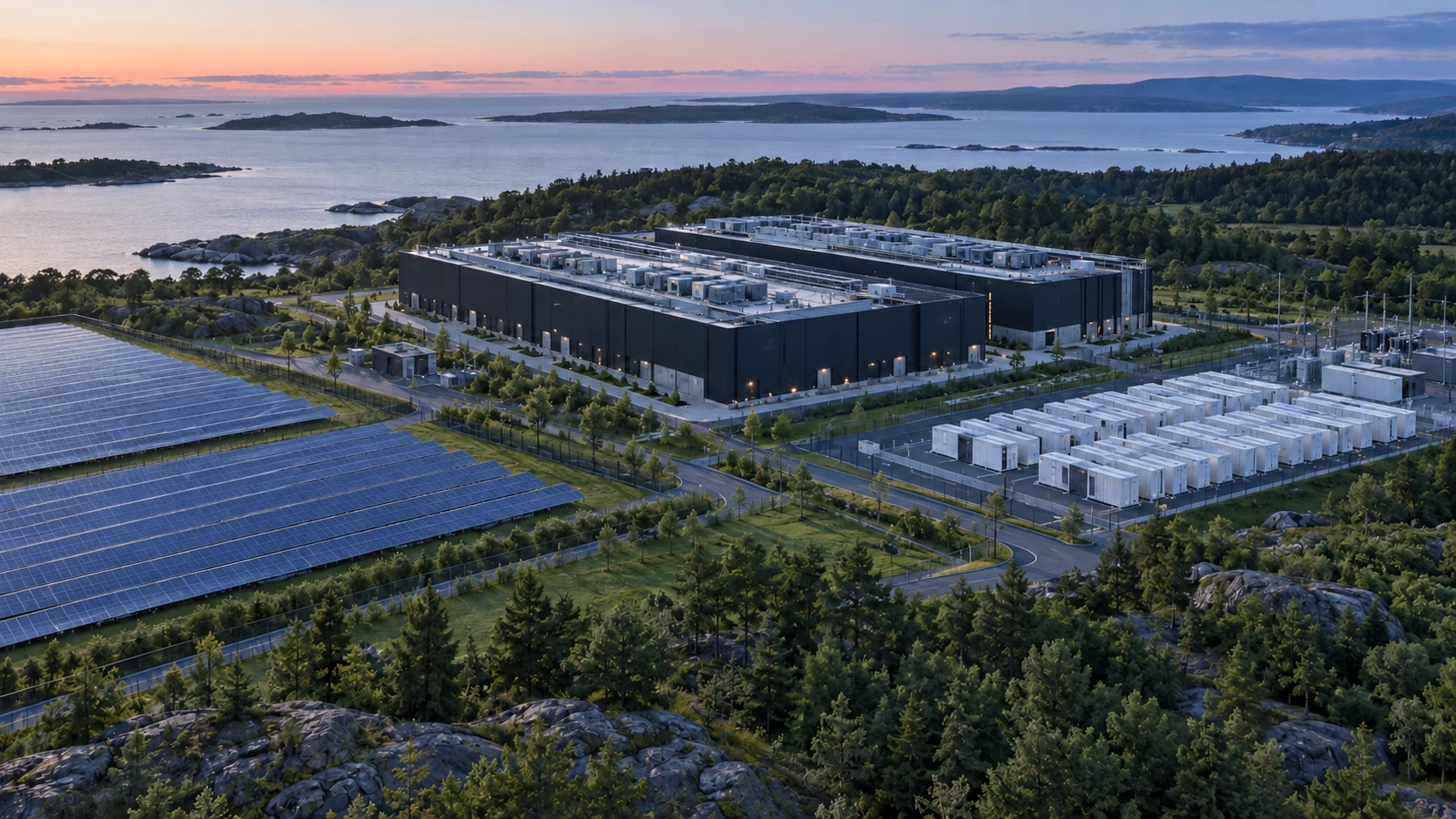
Solar generation, storage flexibility and compute demand play different roles. They should not be collapsed into a glowing line with an unclear meaning. Defined nodes, descriptions and scenarios make it possible to understand which question each part addresses.
Return from the image to project conditions
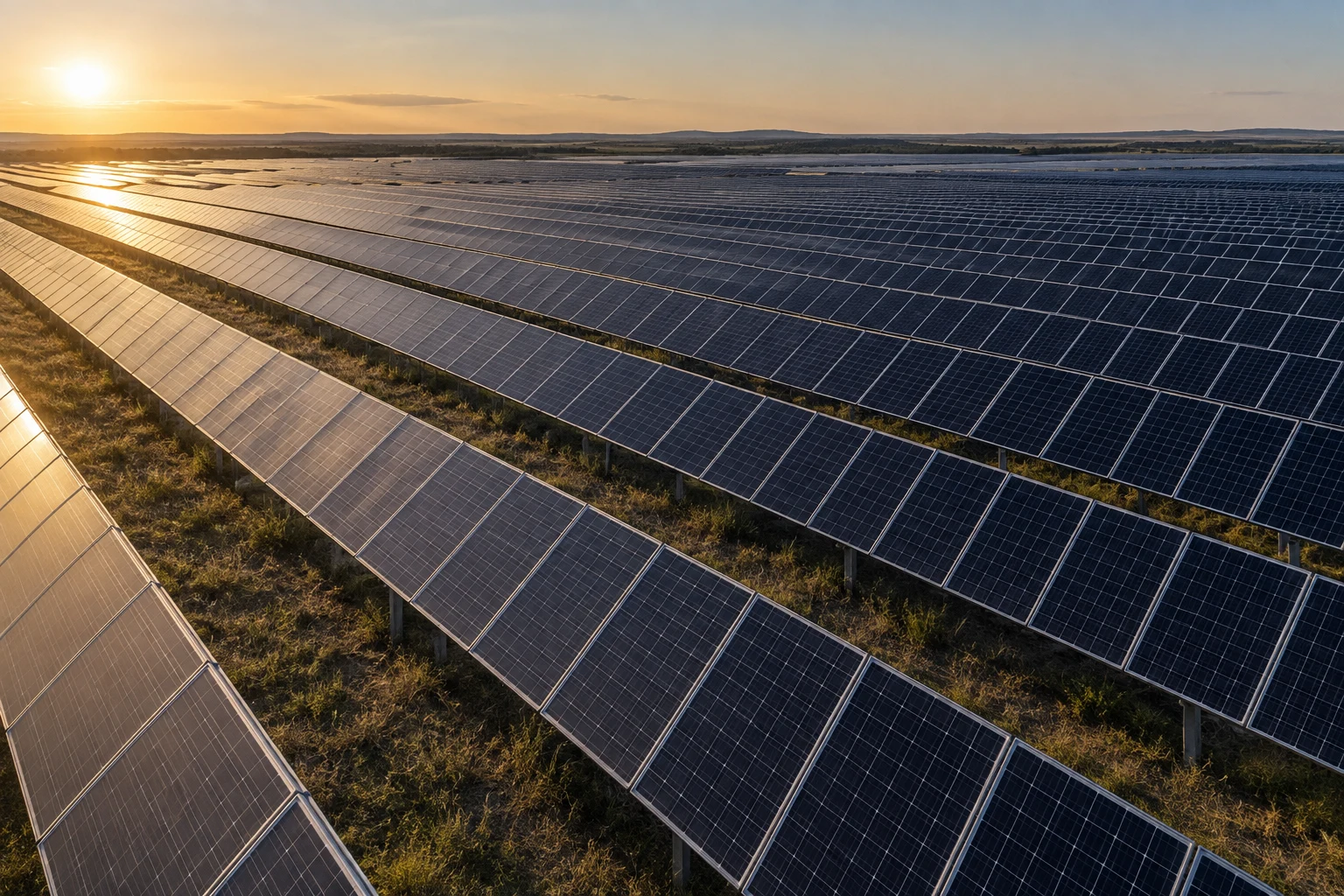
An array landscape can communicate scale, but a project discussion still needs site conditions, technical applicability, development requirements and operating objectives. The image helps understanding; it does not replace a feasibility assessment.
The energy page therefore moves from landscape to project brief and then to working resources, giving the initial impression somewhere to go.
Bring long-term demand into the discussion
The connection between energy and digital infrastructure can be approached by working backwards from long-term operating needs. Defined demand, future scenarios and assumptions requiring partner validation should be presented separately. Clear distinctions make collaboration easier to begin.