
Ask about the workload first
Content production, batch analysis and user-facing inference raise different timing and resource questions. A first brief should describe task types, concurrency, usage windows and output requirements instead of jumping to equipment models.
Without those conditions, an apparently precise equipment list may simply answer the wrong question.
Bring the site into the same picture
Power, cooling, connectivity and serviceability should not appear only after a configuration discussion. Existing site conditions and missing conditions need separate records so the technical and implementation pathways can be understood together.
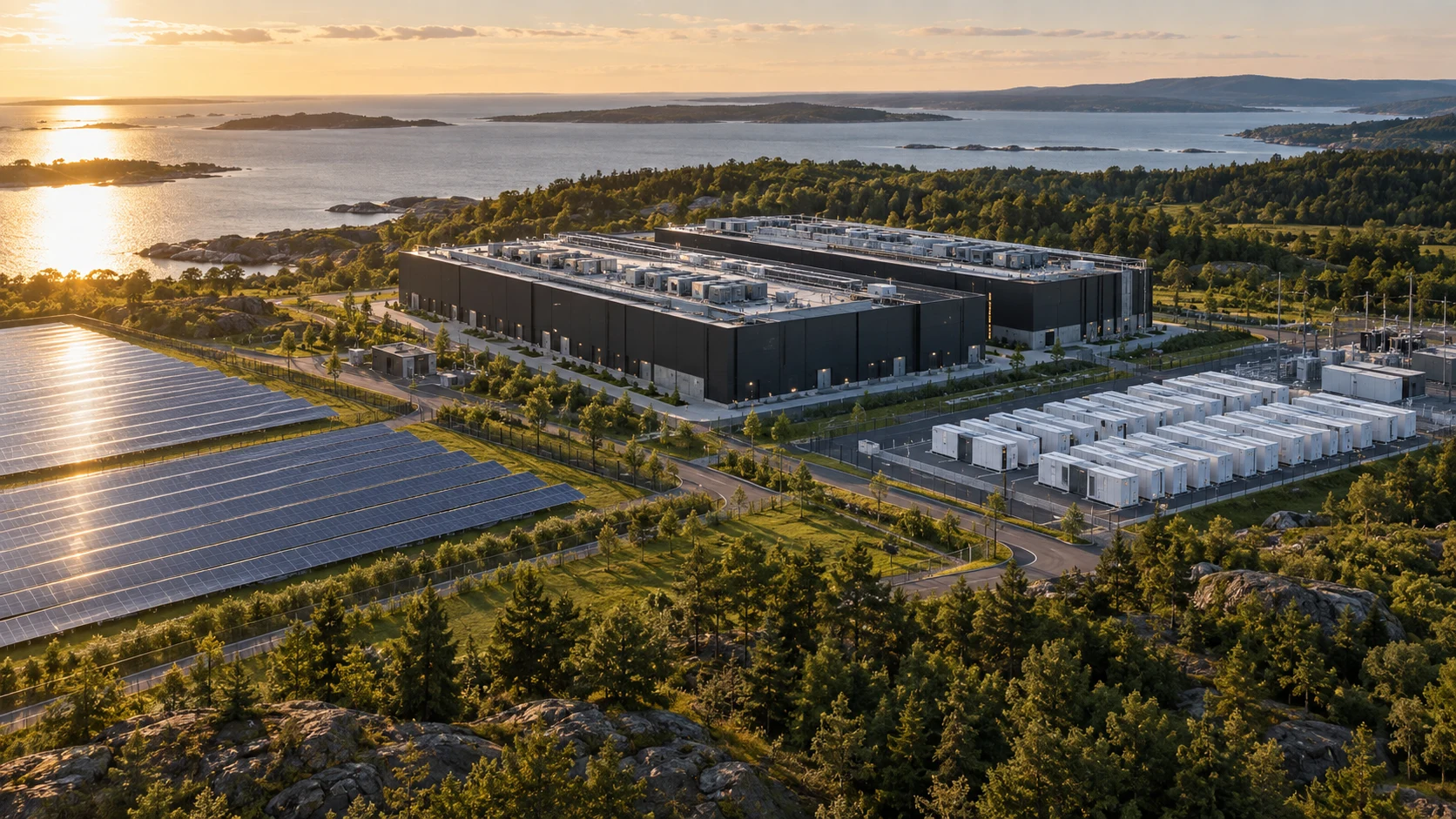
The CAMPUS concept uses an overview, interior, interface detail and operating-time sequence to explain the questions at different scales.
Compare options, not only specifications
A comparable option describes resource scope, delivery relationships, operating conditions, assumptions to test and ownership of the next step. A specification gains commercial meaning only within those conditions.
Comparing options against the same workload is more useful than choosing the largest-looking number from incompatible assumptions.
Make the brief an entry to work
Condense the discussion into demand, conditions, options, validation and next steps. Customers, advisers and technical partners can then add evidence to the same brief instead of redefining the question at every meeting.